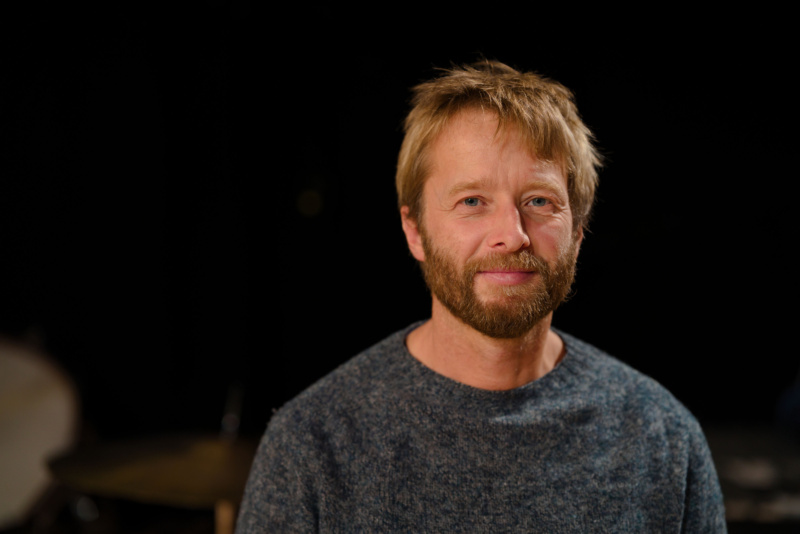
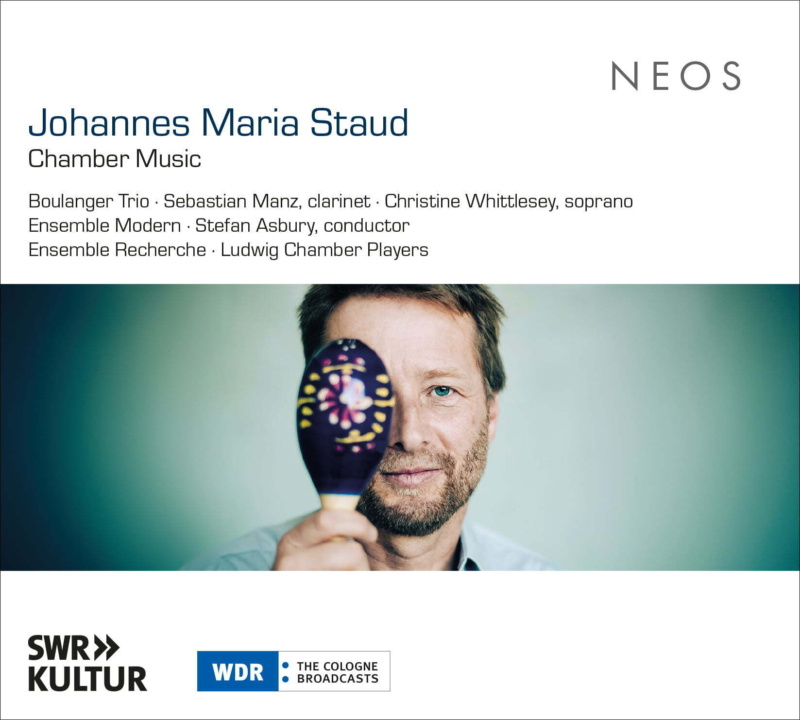
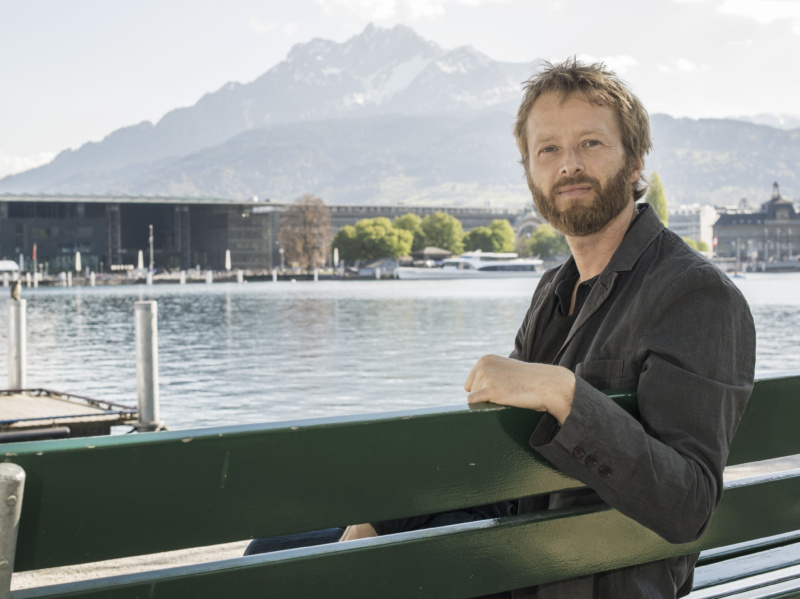
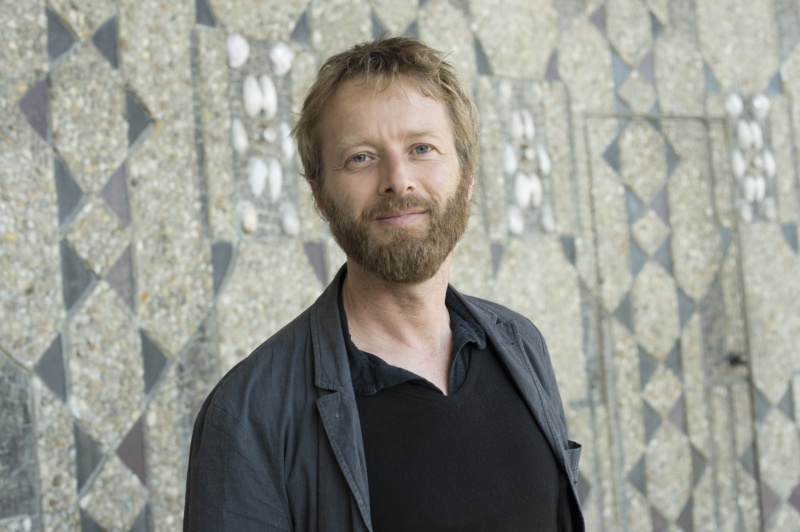
Johannes Maria Staud’s Cahier des équilibres mouvants, commissioned by the Carinthischer Sommer, the Elbphilharmonie Hamburg and the Wiener Konzerthaus, is a musical reflection on our planet’s fragile ecosystems.
"The starting point was the idea of ecological balance," explains Johannes Maria Staud. "This metaphor – the transformation, the state of flux, the precarious stability of an ecosystem – fascinates me immensely from a compositional point of view. I envisage the string quartet as a complex, resilient system: four closely interconnected parts that can respond to one another sensitively, flexibly and in unexpected ways. Disturbances and shifts are inherent to the nature of this system; equilibrium does not arise as a state of stillness, but as the result of constant adaptation."
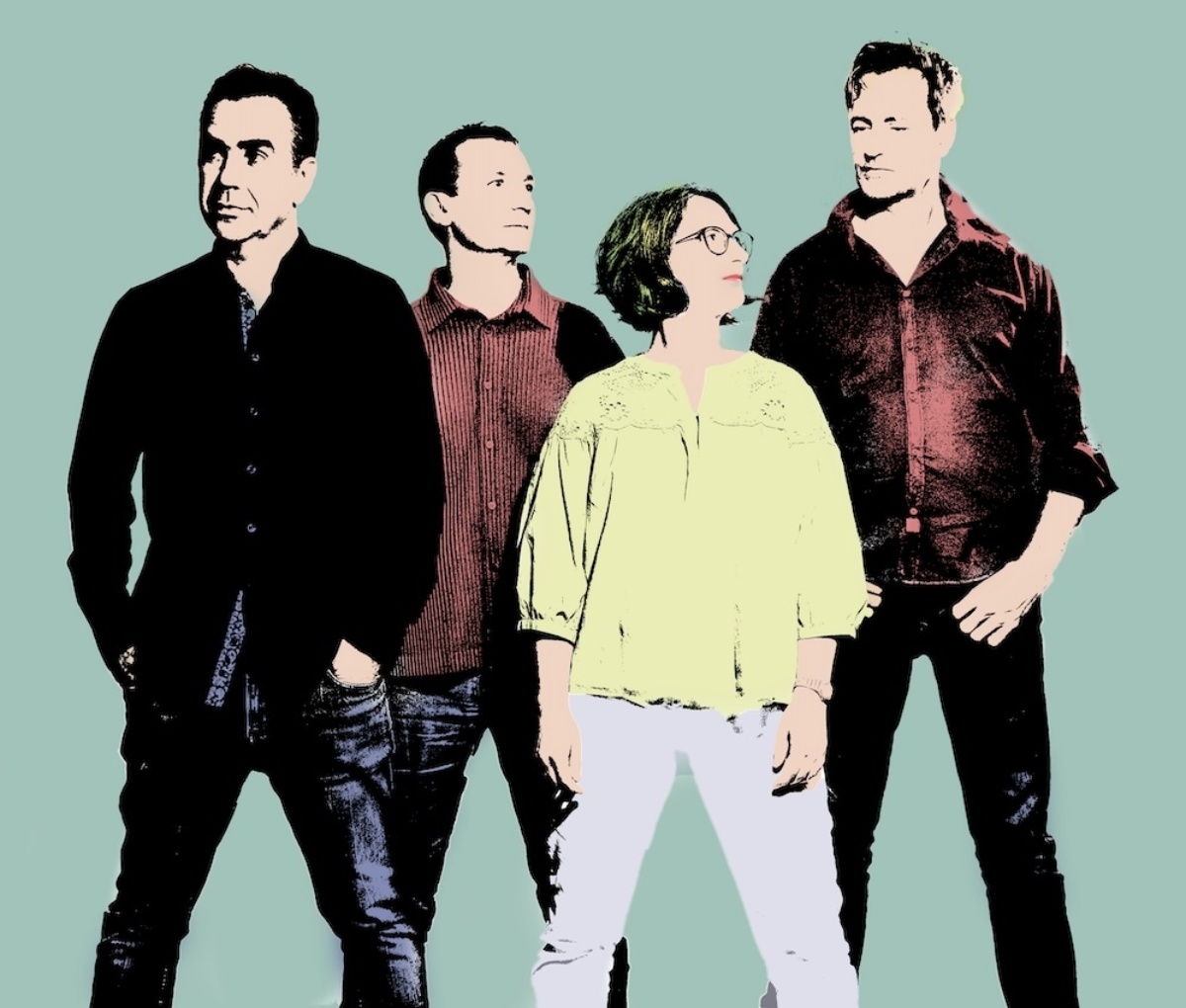
Alongside Johannes Maria Staud’s new work, the Kuss Quartet will perform two milestones of the genre at their concert on 6 July: Joseph Haydn’s String Quartet in G major, Op. 77, No. 1, Hob. III: 81, and Franz Schubert’s String Quartet No. 15 in G major, D 887.
Another composition by Johannes Maria Staud will receive its world premiere on 23 July as part of the Carinthian Summer festival. Wolfgang Kogert will perform Tulpa/Doppelgänger for solo organ at Klagenfurt Cathedral.